Integrated Systems and Real-World Problems
Building the Next Generation of Energy Talent

KV Weekly Digest #14
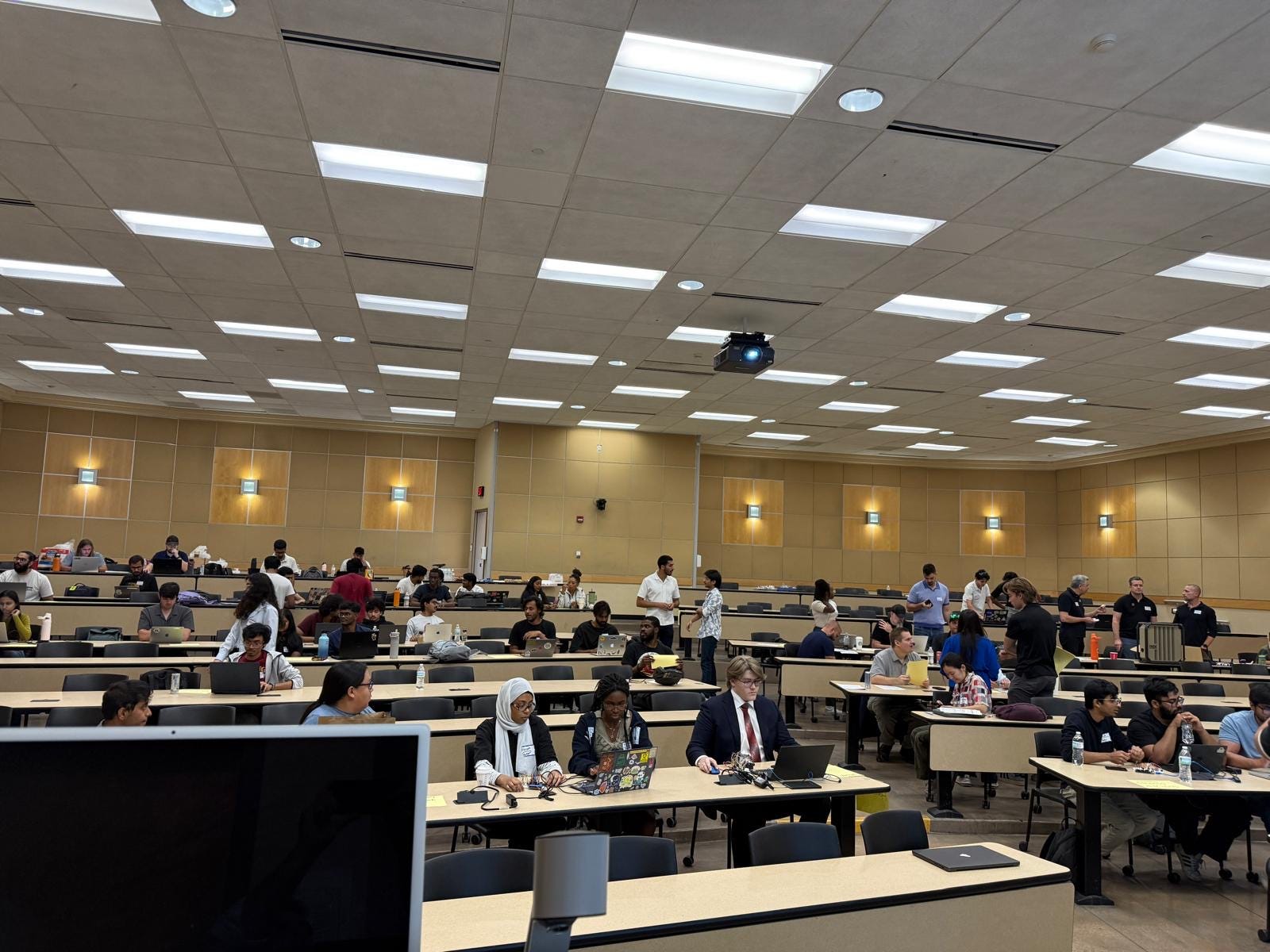
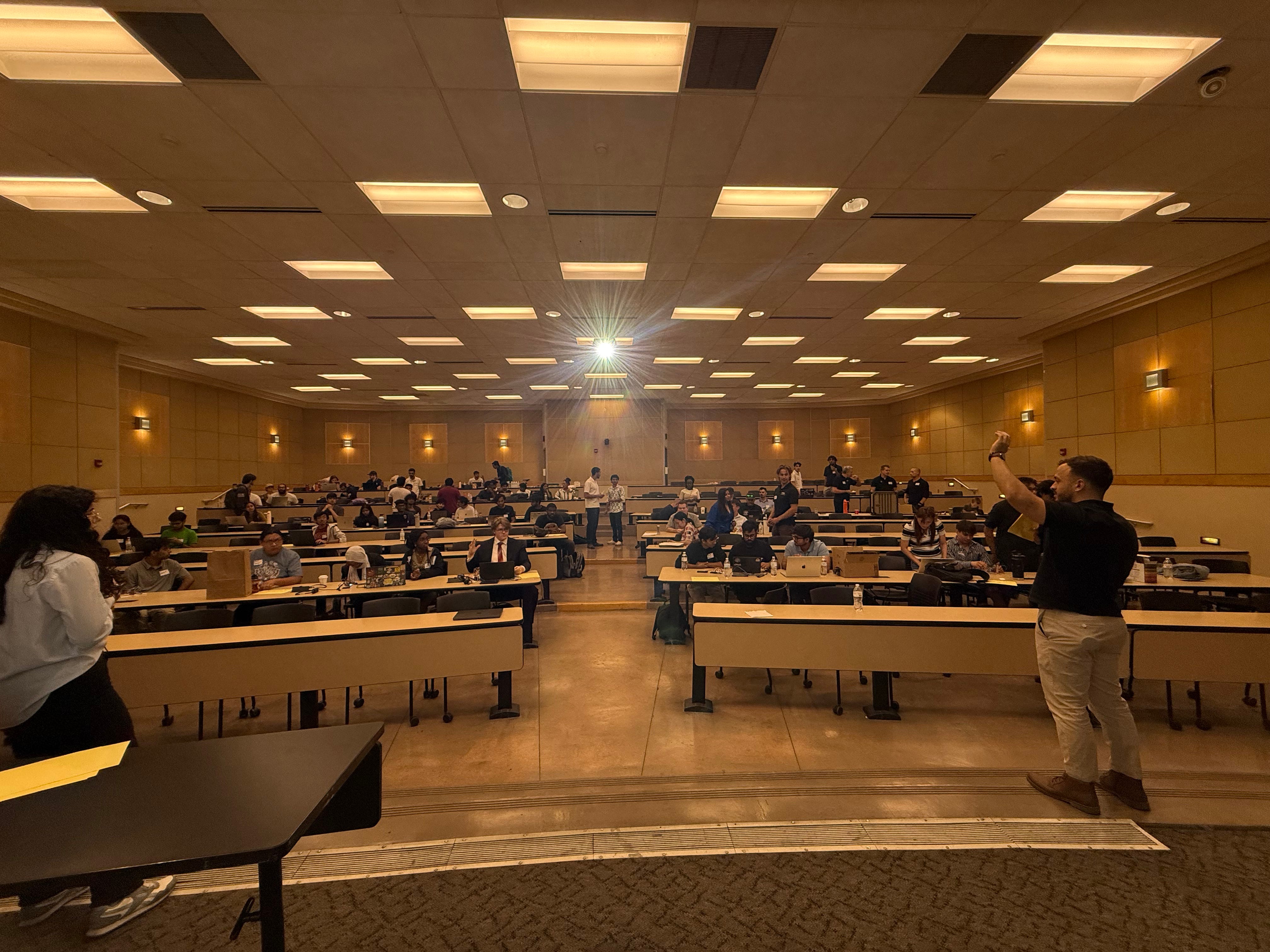
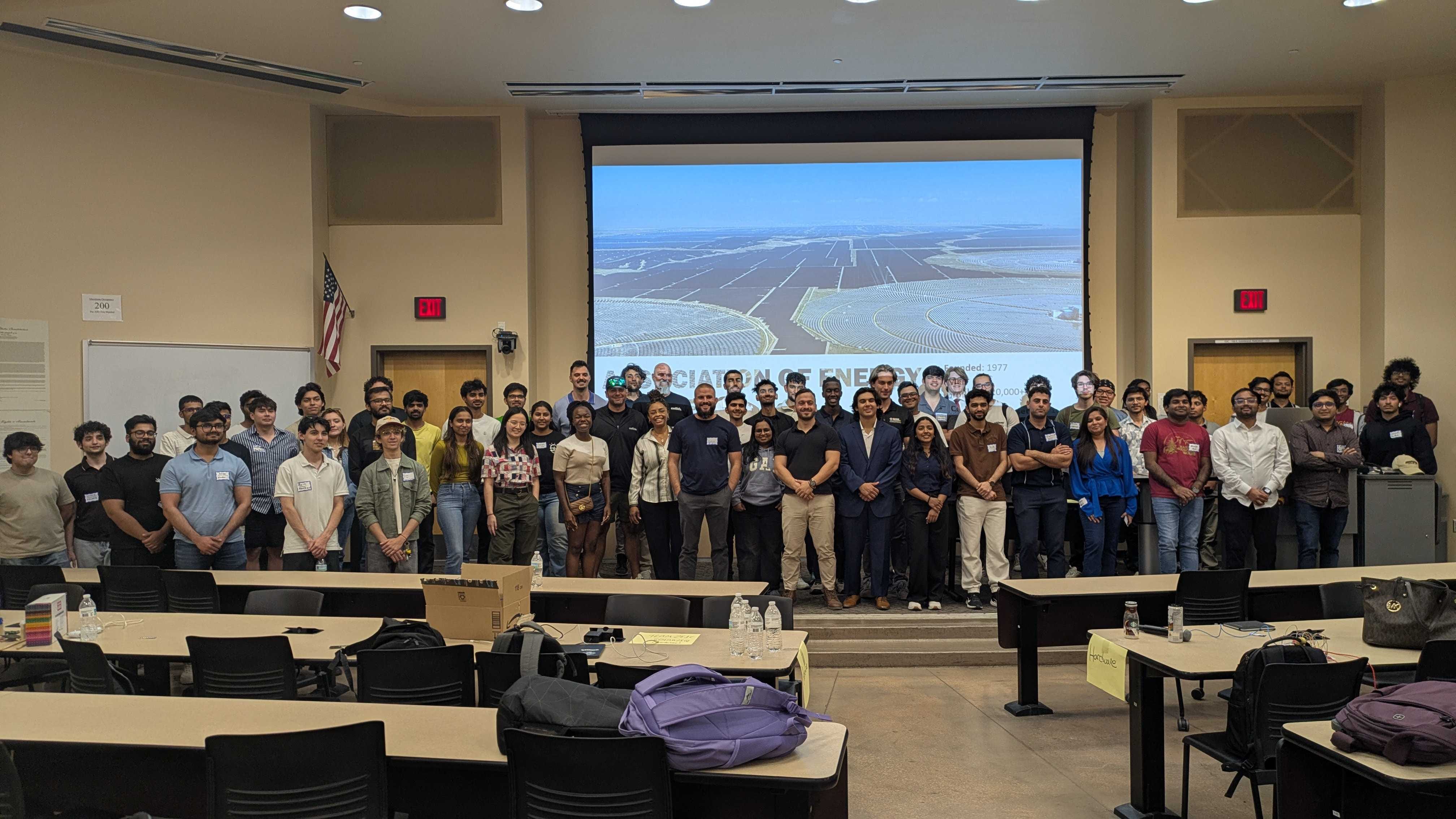
A couple of weeks ago, Vlad, my longtime collaborator and friend, pulled together the first energy-focused hackathon at ASU through the AEE student chapter, which he leads. Multiple energy and engineering student groups came together to support the event, including student chapters of IEEE, ASME, and the Robotics Club. The result was a well-coordinated gathering that brought together more than 70 student participants, along with sponsors, mentors, and judges from across the energy and technology ecosystem.
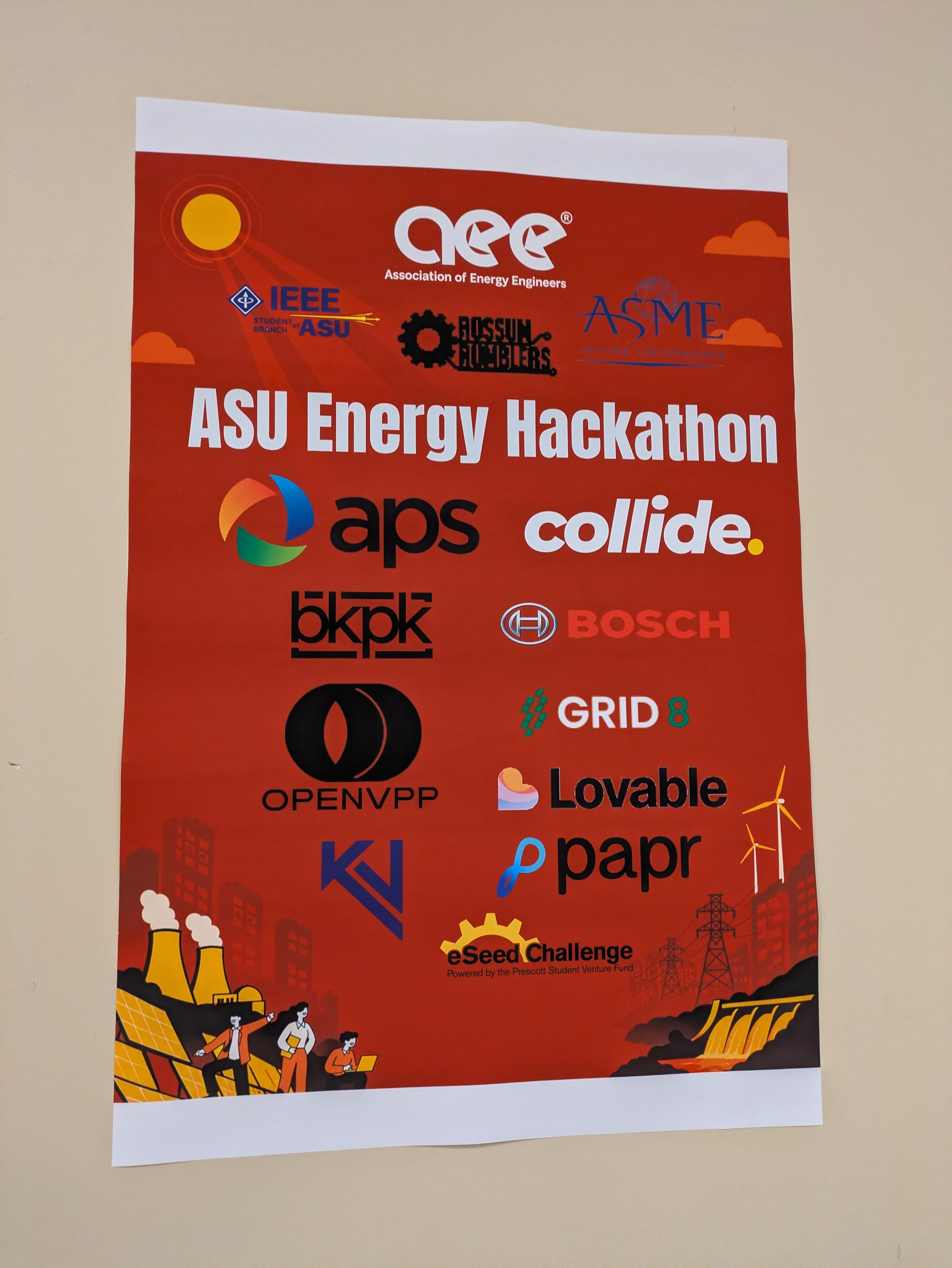
Sponsors of the hackathon included Lovable.dev, APS, Bosch Building Technologies, Fulton Schools of Engineering, OpenVPP, Collide.io, Grid8, BKPK.ai Kemabonta Ventures, papr.ai, the eSeed Challenge, among others. The breadth and depth of participation was magnificent.
The teams were given problem sets divided into four broad categories: AI for Energy, Software for Energy, Hardware for Energy, and Energy Efficiency. Each category was anchored in real-world constraints, forcing teams to move beyond conceptual thinking into practical system design.


The AI for Energy track stood out as one of the most consequential areas of focus, and within it, Collide played a central role. Collide sponsored one of the two AI tracks and brought their entire team on-site, working directly with students throughout the hackathon. That level of engagement materially shaped the quality of work. Rather than operating in isolation, teams were able to iterate with practitioners who are actively building in this space.
Collide’s problem framed a complex and increasingly relevant challenge: how to site behind-the-meter data centers powered by natural gas in a way that accounts for land constraints, infrastructure reliability, and power market economics simultaneously. Instead of treating these as separate analyses, teams were asked to build integrated systems that could evaluate tradeoffs across all three dimensions and produce decision-ready outputs.
This is a non-trivial problem. It requires combining geospatial data, infrastructure risk modeling, and forward-looking price signals into a single framework. In practice, this is the kind of multi-layered decision-making developers and operators increasingly face, particularly as interconnection constraints push more projects toward alternative configurations. The presence of the Collide team throughout the event ensured that students were not just building models, but thinking about how those models translate into real deployment decisions.
Alongside this, APS sponsored the second AI for Energy track, grounding the work in utility operations. Their challenge focused on building spatio-temporal models that could forecast feeder-level conditions, simulate stress scenarios such as extreme heat or EV-driven demand growth, and convert those insights into actions a utility could take.
The Software for Energy track, led by OpenVPP, pushed teams into distributed coordination problems. Here, electric vehicles were treated not simply as loads, but as flexible assets that could participate in grid services or even distributed compute. Teams had to design systems that allocate limited battery capacity across competing uses such as mobility, vehicle-to-grid support, and inference workloads, all under uncertainty. The OpenVPP team was also on-site to provide guidance to the students.
The Hardware for Energy track brought the focus back to physical systems. Teams built micro-solar optimizers that could measure panel performance in real time and actively improve energy output under changing conditions. The emphasis was on working prototypes, electrical design, and measurable performance improvements, reinforcing the importance of grounding innovation in physical reality.
In the Energy Efficiency category, sponsored by BKPK.ai, the challenge moved into high-performance power electronics. Teams were asked to design a bidirectional DC-DC converter for an 800 V data center bus, with strict efficiency requirements and detailed loss accounting. While highly technical, this problem reflects a critical frontier in energy systems, where even marginal gains in efficiency translate into significant economic impact at scale.
BKPK’s team also participated as judges, contributing technical depth to the evaluation process across submissions.
Across all categories, the teams were expected to build, test, and demonstrate working systems. The judging criteria reinforced this, prioritizing functionality, technical depth, practicality, and clarity of execution over purely conceptual ideas.
What emerged over the course of the hackathon was, in my opinion, a clear signal about where the next generation of talent is heading. Students are increasingly capable of working across domains, combining software, hardware, and systems thinking in ways that reflect the needs of the modern grid. At the same time, the event highlighted how important it is to create spaces where that capability can be applied to real problems, with direct input from industry.


Vlad and the AEE team succeeded in creating that space. The result was not just a successful event, but a strong example of how workforce development in the energy sector can evolve. Less about passive learning, and more about active problem solving. Less about isolated disciplines, and more about integrated systems.
As the energy system continues to grow in complexity, these kinds of environments will become increasingly important. They are where technical skill, industry context, and practical execution begin to converge.
Congratulations to Vlad and Team